
Featured
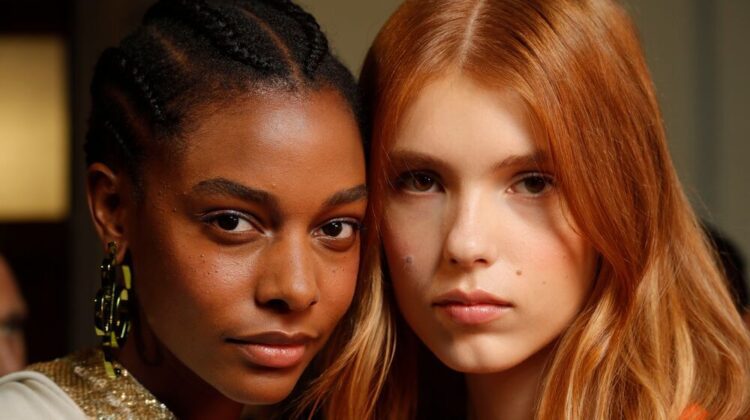
I finally tried threading (and I’m converted for life)
Confessions all round: I’ve been an eyebrow waxer since ’08 (my estimate of the year brows became a ‘thing’). It was habit to slink into the salon, ask for a tidy up, and await the strip application. Sure, things looked fine, excess hair was removed and my sunglasses were positioned to hide the raccoon stripe of…
Continue Reading I finally tried threading (and I’m converted for life)
Beauty

Everything you ever wanted to know about waxing, answered
So, you fancy a wax? Whether you’re a first-time waxer or a seasoned pro, it can be a daunting experience – but don’t fret. Sure, a stranger is about…
Continue Reading Everything you ever wanted to know about waxing, answered

‘Tis the season to treat yourself well. Here’s Treatwell’s treatment timeline to make your ‘me-time’ merry.
Ah, Christmas. Time with family, movies in bed, and hot chocolate by the fireplace – the festive season could be pure bliss – in theory. Instead, we’ve got…
Trends
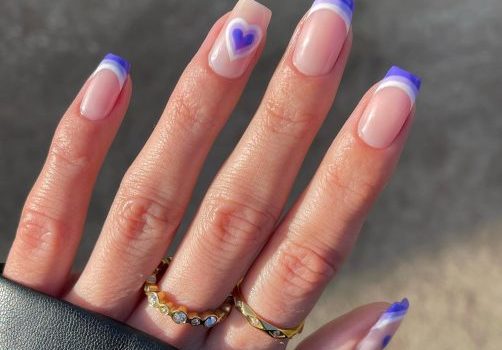
Trending now: Valentine’s Day nails – we’ve got your inspo sorted ?
With the longest month of the year finally over (cya, January ?), this Feb we’re all about the love. Yep, Valentine’s Day…
Continue Reading Trending now: Valentine’s Day nails – we’ve got your inspo sorted ?

Pantone’s Colour of the Year is already taking over hair and beauty trends for 2022 – here’s how to style it
The verdict is in: the official Pantone colour of the year has been revealed, and pretty much everyone (us very much included)…

The mullet is here to stay for 2022 (and we’re *so* here for it) – here’s all the inspo you need to try it
If you’d have asked me a couple of years ago to name three styles I would have put money on *not* coming…
Men
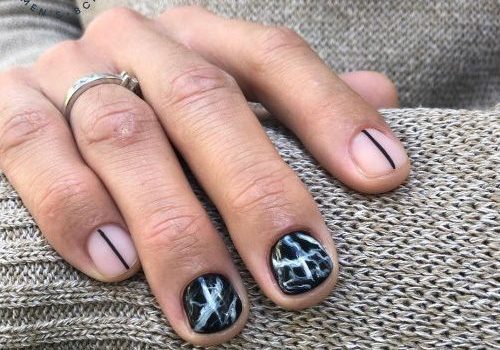
These 22 Halloween nail art ideas are perfect for guys who don’t fancy dressing up this year
Halloween is fast approaching, and if you’re not one for dressing up, you’re likely experiencing the inevitable pre-party dread that comes along…

12 easy pop culture inspired Halloween costumes – for guys who always leave it to the last minute
So, you’ve left your Halloween costume to the last minute, yet again. We’ve all been there. We know it’s all too easy…

Why beard oil will be your best friend if you’re growing a beard
Beards have been having a major comeback moment recently- no doubt because shaving is just *too* much effort when we’re not leaving…
Continue Reading Why beard oil will be your best friend if you’re growing a beard